

Where breathing,
feeding, and growth align.
Airway-focused care for infants and growing children.
Not rushed. Not routine. Truly personalized.

WELCOME
Welcome to Honeybee
Pediatric Airway & Tongue-Tie

Founded by Dr. Nez, a board-certified pediatric dentist with advanced training in airway-focused care, infant oral function, and tongue-tie treatment, Honeybee was created to provide thoughtful, individualized care for growing children.
At Honeybee, we believe the mouth is more than teeth. Breathing, feeding, sleep, growth, and oral function are all connected.
Our approach is collaborative, functional, and airway-centered — helping families better understand how their child develops.
Our goal is to identify concerns early, guide families with clarity and confidence, and help children thrive through every stage of growth.


It truly takes a hive to help a child thrive.
And we're honored to be part of your child's journey.

Meet Dr. Nez Mutlu, DMD, MPH, M.Ed, CBS
Founder and Clinical Director
Hi, I'm Dr. Nez.
At Honeybee, our care is led by Board-Certified Pediatric Dentist, who has focused her continuing education on pediatric airway and tethered oral tissues (TOTs) and their relationship to oral function and development. This includes oral dysfunction related to feeding, swallowing, speech, and pediatric sleep-disordered breathing.
You may benefit from an evaluation if your child:
Struggles with breastfeeding or bottle feeding
Has a tongue-tie or lip-tie diagnosis
Snores, mouth breathes, or sleeps restlessly
Has speech, chewing, or swallowing concerns
Experiences chronic congestion or enlarged tonsils
Has a narrow palate, crowded teeth, or airway concerns
-
Dr. Nez’s passion for pediatric airway health and oral function began long before opening Honeybee Pediatric Airway. Throughout her dental career, she has been dedicated to understanding the intricate connection between breathing, feeding, sleep, growth, and oral development. Becoming a mother further deepened her appreciation for how these factors influence a child’s overall health, development, and quality of life, ultimately transforming the way she practiced dentistry.
Today, Dr. Nez takes a comprehensive and individualized approach to care—looking beyond the teeth to understand the full picture of a child’s health. By evaluating breathing, sleep quality, feeding function, oral development, and growth patterns, she helps families identify underlying factors that may influence a child’s wellbeing, development, and quality of life.
As a board-certified pediatric dentist with advanced training in pediatric airway health, tethered oral tissues, infant feeding dysfunction, laser frenectomy procedures, myofunctional development, and growth-guided orthopedic expansion. Dr. Nez combines evidence-based care with a compassionate, family-centered experience.
She believes that small structural and functional changes can have a profound impact on a child’s health, confidence, and long-term well-being.
Throughout her career, Dr. Nez has been privileged to witness the remarkable transformations that can occur when feeding, breathing, growth, and function are thoughtfully addressed. Watching families gain confidence, children thrive, and little ones reach their full potential continues to fuel her passion for providing her care.
At Honeybee Pediatric Airway, every child is cared for with intention, precision, and empathy—because healthy breathing, restful sleep, proper oral function, and optimal growth matter.
-
A proud Phoenician, Dr. Mutlu earned dual Bachelor of Science degrees in Biology and Chemistry from Northern Arizona University and a Master’s in Secondary Science Education from Arizona State University. She completed her Doctor of Dental Medicine at the Arizona School of Dentistry & Oral Health, where she also earned a Master of Public Health through a dual-degree program, followed by her pediatric dental residency at NYU Langone Medical Centers.
Dr. Mutlu has advanced training in pediatric dentistry, population health, prevention, airway-centered care, breastfeeding support, and early-life oral development. Her areas of focus include patient and parent education and providing treatment using the latest technologies. She is committed to delivering exceptional, compassionate care while staying current with the latest research and advancements in pediatric dentistry.
-
•Diplomate, American Board of Pediatric Dentistry
•Certified Breastfeeding Specialist
•Orofacial Myofunctional Therapy Trained-Airway Circle
•Infant Frenectomy Protocol Alumnus
•Invisalign Certified
•The Breathe Institute Ambassador
•Tongue-Tied Academy
•OrthoPerio Institute
•PALS/BLS Certified
•Yoon Institute Dental Sleep Medicine
-
• American Academy of Pediatric Dentistry
• American Dental Association
•American Laser Study Club
•Arizona Academy of Pediatric Dentistry
•American Academy of Clear Aligners
•College of Diplomates ABPD
•International Affiliation of Tongue-tie Professionals
•Western Society of Pediatric Dentistry
Meet the Team





Our Services

-
A gentle tongue-tie release can help babies nurse more comfortably, improving latch and easing feeding frustrations for both baby and parent. It can also support better weight gain, reduce gas or colic symptoms, and promote healthy oral development as your little one grows. We will do our best to schedule in 24-48 hours from contact.

-
For older kids, releasing a tongue-tie can gently improve speech clarity, make eating and swallowing more comfortable, support better movement, and even help with oral hygiene by allowing the tongue to move more freely. Here we guide patients through pre- and post-operative myofunctional exercises which are an essential part of our care protocol. Sutures and tissue adhesive are placed for optimal healing and to help stabilize the area, while the wound heals naturally by secondary intention we want primary intention. Sutures are attempted on anyone who can tolerate this and is age and cooperation dependent.

-
Pediatric sleep-disordered breathing can range from mouth breathing and snoring to obstructive sleep apnea (OSA) and is often associated with a narrow upper jaw and restricted airway development. Airway screening helps us evaluate how your child breathes, sleeps, and functions. When appropriate, maxillary expansion may be recommended to gently widen the upper jaw, support nasal breathing, create space for the tongue, and promote healthy airway, facial, and oral development.

-
As part of our whole-child approach, we offer photobiomodulation (PBM)—a gentle light therapy that helps support your child’s healing process. It is a calming, non-invasive treatment that helps reduce inflammation, support tissue healing, improve circulation, and enhance comfort and recovery.
Every journey starts with a comprehensive evaluation of oral function, tethered oral tissues, and airway health.
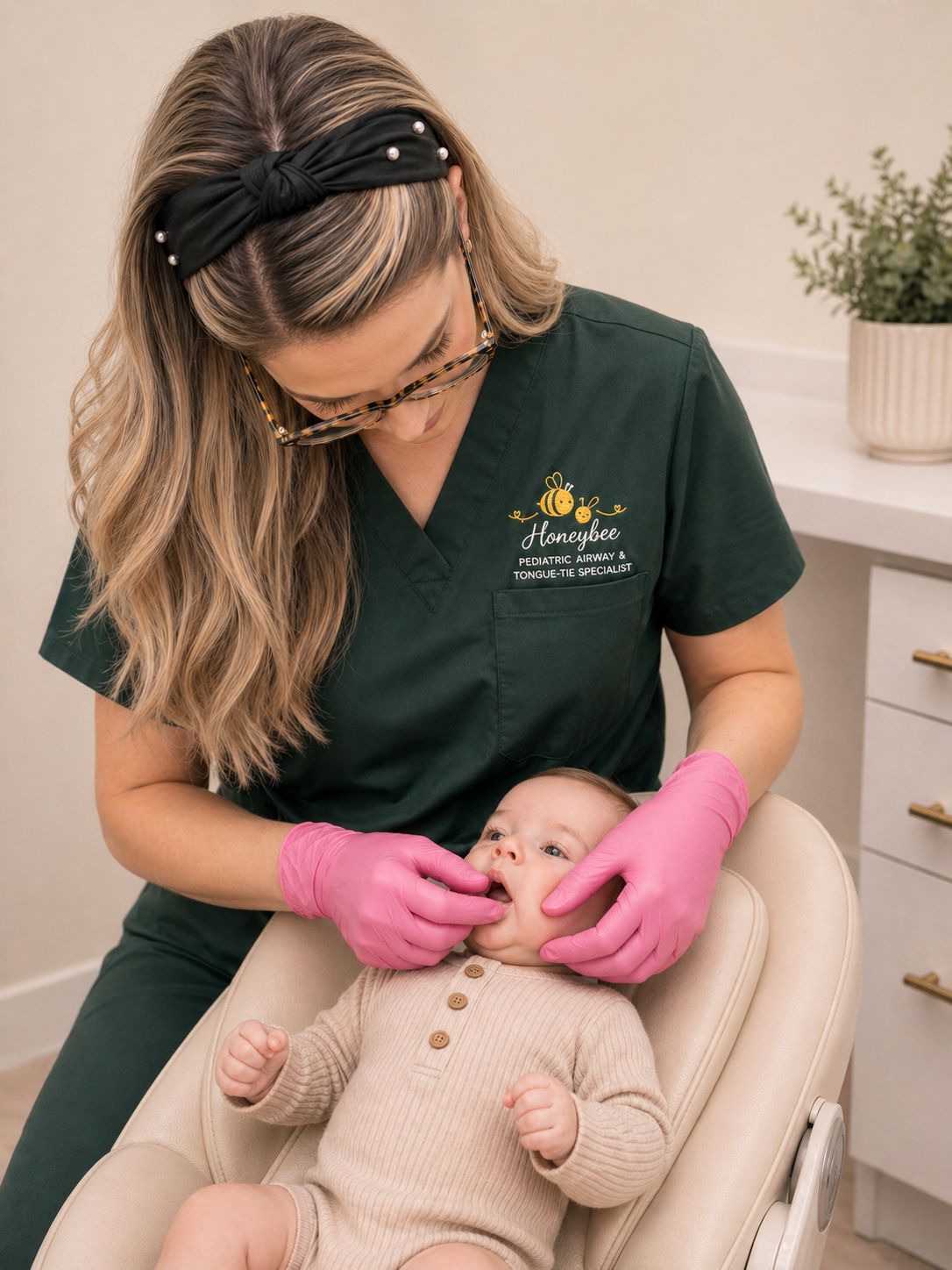
Lip & Tongue Tie Release
At Honeybee, we understand that the first months of life are foundational and that oral function and airway health continue to impact children as they grow. Tongue function, airway health, and feeding coordination shape how babies grow, sleep, and thrive, while ongoing oral development can influence speech, sleep quality, behavior, focus, and overall wellness in older children.
Our consultations are thoughtful and unrushed, focusing on how your baby or Child feeds, breathes, rests, and uses their mouth in real time.
Dr. Nez brings over a decade of experience in laser-assisted soft-tissue procedures, using LightScalpel CO₂ technology for precise releases, minimal thermal impact, and optimal healing especially for infants and young children.


Pediatric Sleep
Pediatric sleep-disordered breathing can range from snoring to obstructive sleep apnea (OSA) and is often related to a narrow upper jaw. Airway screening helps us evaluate how your child breathes and sleeps. When appropriate, maxillary expansion may be recommended to gently widen the upper jaw, support nasal breathing, create space for the tongue, and promote healthy airway and facial development.
Because quality sleep is essential for growth, behavior, and overall health, Dr. Nez takes a collaborative, team-based approach to care.
Sleep concerns are complex and require thoughtful evaluation. Beyond symptoms, Dr. Nez focuses on identifying the root cause of airway obstruction and works closely with your child’s ENT and medical team when needed.
-
Pediatric sleep-disordered breathing can range from mouth breathing and snoring to obstructive sleep apnea (OSA) and is often associated with a narrow upper jaw and restricted airway development. Airway screening helps us evaluate how your child breathes, sleeps, grows, and functions.
When appropriate, maxillary expansion may be recommended to gently widen the upper jaw, support nasal breathing, create space for the tongue, and encourage healthy airway and facial development.
Because sleep plays a vital role in growth, behavior, learning, and overall wellness, Dr. Nez takes a thoughtful, collaborative approach to care. Sleep and airway concerns are complex and often multifactorial. Rather than focusing on symptoms alone, treatment is centered on understanding the underlying contributors affecting breathing, oral function, and development.
Dr. Nez works closely with ENTs, pediatricians, lactation consultants, myofunctional therapists, and other collaborative providers to help create individualized care plans for each child.
“The roof of the mouth is the floor of the nose” — supporting proper jaw development can also help support healthier nasal breathing.
-
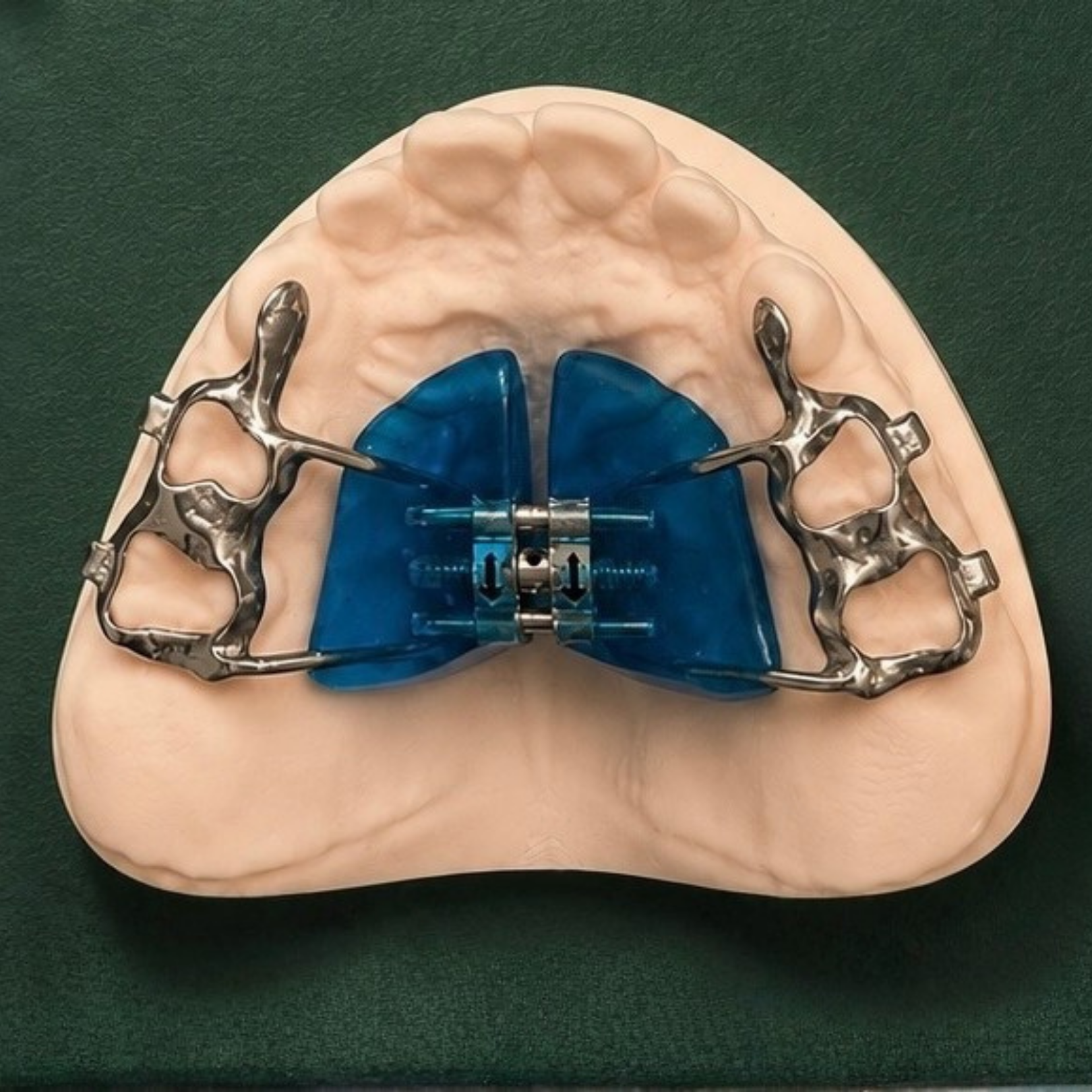
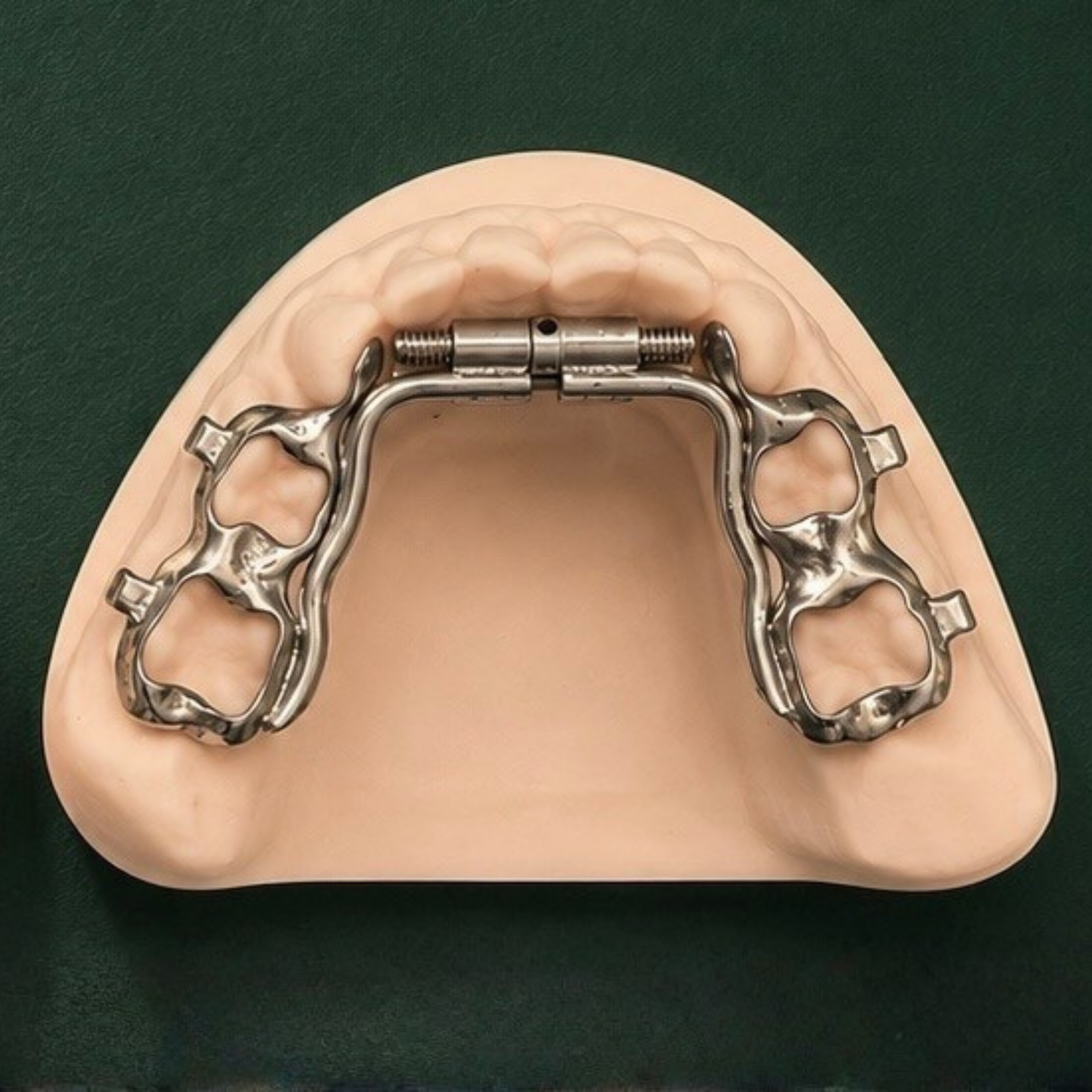
Research shows that palatal expansion may help increase airway volume and support improved nasal breathing. For this reason, Dr. Nez provides early orthodontic intervention (Hass or Hyrax appliances) focused on supporting healthy craniofacial growth and development. She remains current with the latest literature regarding early orthodontic treatment and believes timely intervention can play an important role in improving long-term functional and developmental outcomes.
Maxillary expansion is recommended to help improve transverse skeletal development, create additional oral volume for improved tongue posture, support nasal breathing, and optimize arch form and airway development.
Mandibular uprighting is also recommended to improve lower arch coordination, dental alignment, and overall occlusal balance. Uprighting of the mandibular dentition may help
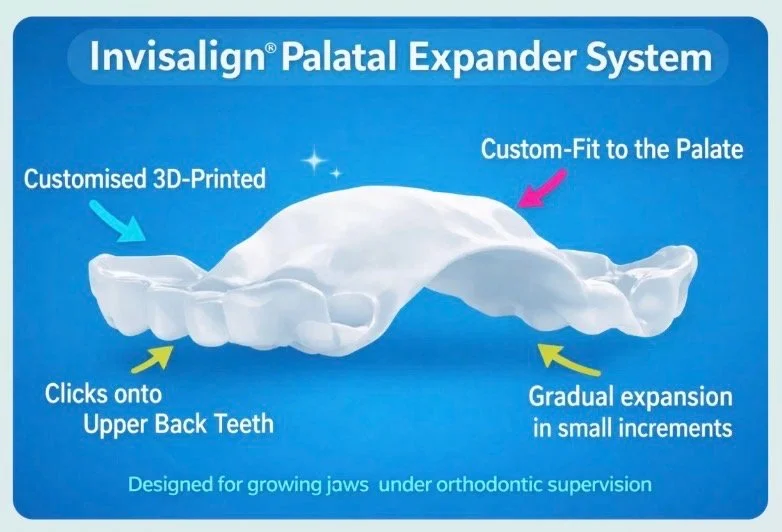
Orthodontic services may include orthopedic expansion and Invisalign® Palatal Expanders depending on the patient’s age, skeletal development, compliance, and treatment needs. Treatment should be approached comprehensively with consideration of airway health, oral posture, breathing patterns, sleep quality, facial growth, and overall function. Adjunctive myofunctional therapy is strongly recommended to support proper tongue posture, nasal breathing, swallowing mechanics, and long-term stability of expansion outcomes.
-
The Invisalign® Palatal Expander System is a removable, digitally designed orthopedic expansion appliance intended to help widen the upper jaw and create space for proper dental eruption, tongue posture, and airway development. Unlike traditional metal expanders that require manual screw turning, the Invisalign Palatal Expander utilizes a series of custom 3D-printed expanders that gradually increase expansion in small increments.
We use The Invisalign® first trays for the lowers.
Benefits may include:
• Improved comfort due to the absence of metal and turning mechanisms
• Better oral hygiene because the appliance is removable
• Reduced food restrictions
• Potential improvement in nasal breathing and arch development when used in appropriate growing patients
The appliance is typically used as part of a comprehensive airway and orthodontic treatment approach. While expansion can help improve maxillary width and oral volume, optimal long-term outcomes generally require adjunctive therapies such as myofunctional therapy to establish proper tongue posture, nasal breathing, swallowing patterns, and oral muscle function.
In more significant skeletal constriction cases, especially in older children or adolescents, additional orthopedic approaches such as MARPE (Miniscrew-Assisted Rapid Palatal Expansion) may be indicated to achieve greater skeletal expansion and airway improvement.
Compliance is an important consideration with the Invisalign® Palatal Expander System, as the appliance is removable and relies heavily on consistent wear for optimal orthopedic and functional outcomes. Success depends on patient and parent participation, including proper daily wear, appliance care, and adherence to treatment recommendations. Inconsistent use may limit expansion progress and overall treatment effectiveness.
As with all expansion therapy, treatment planning should consider age, airway health, tongue posture, sleep quality, facial growth, and overall function rather than focusing solely on tooth alignment.
-
This treatment uses targeted laser energy to stimulate collagen remodeling in the soft palate. As the tissue becomes firmer and more toned, it may better maintain its shape and resist vibration or collapse during sleep. Appointments are quick and comfortable, with no cutting, stitches, or downtime.CO2 non-ablative laser treatment may be considered as an adjunctive therapy to help tighten and support the soft palate tissues. However, this treatment alone does not address the underlying functional and structural causes of airway dysfunctional.
Long term improvement typically requires a comprehensive approach including repeat treatment, myofunctional therapy to establish proper oral posture and breathing patterns, as well as orthodontic expansion such as a MARPE expander when indicated to improve nasal airway volume and maxillary development.
-
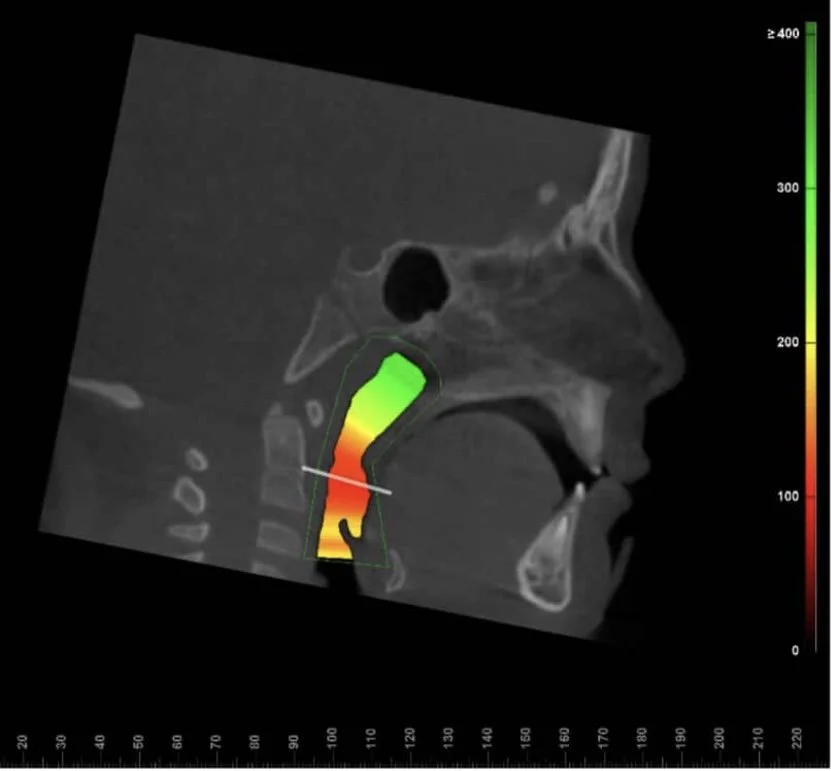
What We Evaluate on an Airway CBCT:
Nasal airway size and symmetry
Septal deviation
Turbinate enlargement
Sinus health and congestion patterns
Adenoid and tonsil airway space
Tongue posture and tongue space
Palatal width and upper jaw development
Crossbites and skeletal relationships
Jaw growth and facial development
Airway volume and areas of constriction
Eruption patterns and dental development
Impacted or missing teeth
TMJ and condylar anatomy when indicated
Because airway and sleep concerns are multifactorial, CBCT findings are always interpreted together with your child’s symptoms, sleep history, growth patterns, clinical examination, and collaborative medical evaluations when needed.
CBCT imaging allows us to evaluate both dental structures and the surrounding airway anatomy in three dimensions, helping support a more comprehensive understanding of your child’s oral and airway development.
We work closely with IBCLCs, myofunctional therapists, bodyworkers, chiropractic providers, pediatricians, ENTs, and other specialists to help support your child.
Because your child deserves a team.
FAQ’S
-
A tongue-tie (ankyloglossia) occurs when the thin band of tissue under the tongue (the lingual frenulum) is too tight, thick, short, or restrictive. This limits the tongue’s natural range of motion and can affect feeding, breathing, speech, oral development, and sleep. Regardless of the method of feeding (Breastfeeding or bottle feeding) the suck/swallow process is a full time job for a baby. A tight frenum can make that job difficult and tiring.
-
A lip-tie (labial) happens when the tissue connecting the upper lip to the gum is tight or restrictive. Can led to a shallow latch and upper lip dimple while feeding. If the baby is nursing well-enjoy your nursing relationship. In other words, if it’s not causing a problem, there is no need for a procedure at this time.
-
are tight bands of tissue (frenula) that connect the inside of the cheeks (buccal mucosa) to the upper or lower gums. When these bands are too short, thick, or restrictive, they can limit normal cheek movement and function—especially in babies and children.
-
Restricted tongue movement can impact how a baby latches, transfers milk, swallows, breathes, and develops oral strength.
Common symptoms include:• Painful breastfeeding (sore and flattened nipples after feeding)
• Poor latch or frequent slipping
• Clicking while nursing or bottle feeding
• Friction blisters or cobblestone appearance still present after the first month of birth
• Gassy, colicky behavior
•Torticolis
•Plagiocephaly
• Slow weight gain
• Frequent and Prolonged feeds
• Reflux-like symptoms
• Milk Tongue (baby can’t lift tongue high enough to rub against the palate)
• Decreased milk transfer
• Proper lip flange
• Plugged ducts/Mastitis
• Fatigue at the breast/Cluster feeding
• Invisible lower lip due to recessed chin
• Baby tongue doesn’t lift while crying
• Tongue cupping or heart-shaped tongue
• High palate
-
In toddlers and children, tongue-ties may contribute to:
• Mouth breathing
• Snoring or poor sleep
• Speech delays or articulation challenges
• Dental crowding and mandibular teeth pulled back
• Cavities
• Narrow palate
-
• Picky eating or hypersensitive gag reflex
• Behavioral or attention challenges
• Chronic congestion
• Body tension
• Headaches
-
No. Not every tongue-tie needs treatment. At Honeybee, we evaluate:
• Function (how the tongue actually moves and works)
• Symptoms (feeding, breathing, sleep, speech, growth)
• Compensation patterns
• Airway impact
• Whole-body connection
We only recommend release when it is functionally necessary and beneficial for your child’s health and development.
-
We perform a comprehensive functional assessment, which may include:
• Visual and hands-on oral exam
• Range-of-motion testing
• Feeding assessment
• Airway and sleep screening
• Growth and oral posture evaluation
Collaboration with lactation, feeding, or therapy providers when needed
-
We use a gentle CO₂ laser (LightScapel) for tongue-tie and lip-tie releases. This allows for:
• Precise tissue release
• Minimal bleeding
• Reduced swelling
• Faster healing
• Lower risk of re-attachment
• Improved comfort
The procedure is quick and typically takes only a few minutes.
-
Most babies tolerate the procedure very well. Healing in the mouth happens quickly and babies heal faster than adults. The CO₂ laser minimizes trauma, and we use comfort-focused techniques to keep your child calm and supported. Some mild fussiness or soreness for 24-48 hours is normal and temporary. We recommend skin-to-skin time, frozen breast milk, or over the counter pain meds and we have more natural alternative pharmaceuticals for discomfort as well.
-
Some families notice immediate improvement, while others see gradual progress over days to weeks as oral muscles learn to move properly. Healing, nervous system integration, and muscle coordination all play a role in timing.
-
Current literature and expert opinion recommend Stretches which help minimize the tissue from re-attaching during the healing phase. While they can feel intimidating, they are critical for long-term success and optimal outcomes.The stretches will keep the wound open and allow the fibers to grow with length, resulting in more elasticity post-release.We provide clear, gentle guidance and support throughout the entire process. Healing happens very quickly in infants- they are new and fresh with cells that proliferate at a great speed. Dr. Nez believes it is important to follow-up frequently.
-
The near-infrared laser light (wavelength of non-ionizing laser energy used is 1064nm) interacts with tissues at the cellular level and metabolic activity increases within the cell, improving the transport of nutrients across the cell membrane. This initiates the increased production of cellular energy (ATP) that leads to a cascade of beneficial effects, increasing cellular function and heath. It is gently applied to targeted areas of the head, neck, and oral tissues. This light is non-invasive and non-thermal, meaning it has a safer tissue interaction no thermal risk and does not damage tissue or DNA. Patients typically experience only a mild, soothing warmth.
At the cellular level, this light energy is absorbed by the mitochondria, helping to:
Increase cellular energy (ATP production)
Improve blood flow and oxygen delivery
Reduce inflammation
Support tissue repair and regeneration
As circulation improves and inflammation decreases, tissues become more relaxed and functional. This can help relieve tension within the fascial system and surrounding musculature, allowing for improved mobility and comfort.
PBM may also support the nervous system by:
Enhancing nerve signaling
Improving coordination between nerves and muscles
Promoting more balanced reflexes and functional movement patterns
The result is an environment where tissues are not only able to heal, but can return to a more optimal state of function. For best outcomes, PBM is often combined with supportive therapies such as myofunctional therapy, bodywork, or osteopathic care to reinforce healthy movement patterns and long-term stability.
-
Yes. We strongly believe in collaborative care and frequently work alongside:
• Lactation consultants
• Myofunctional therapists
• Bodyworkers (CST, PT, OT)
• Speech therapists
• Pediatricians and ENTs
Optimal outcomes happen when the whole system is supported.
-
Releases can be performed in:
• Newborns
• Infants
• Toddlers
• Children
• Adults
Each age has unique considerations, which we review carefully with your family.
-
Yes. The tongue plays a critical role in airway development, oral posture, swallowing, and breathing. Proper tongue posture supports an open airway. Restricted tongue mobility can contribute to:
• Mouth breathing
• Poor sleep quality
• Snoring
• Under-developed jaws
• Narrow arches
• Long-term airway challenges
• fragmented sleep from waking up to urinate and bedwetting beyond typical potty-trained age
• dark circles under eye
• teeth grinding
• noisy sleep
• constipation
• difficulty waking in the morning
• restless sleep
• behavioral or attention concerns during the day
Early intervention supports healthier airway growth.
-
If your child has challenges with:
• Feeding
• Breathing
• Sleep
• Speech
• Mouth breathing
• Snoring
• Reflux-like symptoms
• Poor latch
• Dental crowding
We use the Fairest-6 (Functional Airway Evaluation Screening tool) framework to asses the Red Flag Exam Findings for Pediatric Sleep-Disordered Breathing (SDB) for example mouth breathing, mentalis strain, tonsillar hypertrophy, and ankyloglossia. We focus on function, rest, posture, tone, and airway patterns.
-
Oral Motor Functional assessment (tongue range of motion, lingual palatal seal, maxillary intercaine distance, and facial structural changes). Pediatric Sleep Questionnaire, Imaging (cone beam computed tomography or CBCT), Orthodontic models and expansion. We look at breathing at rest, lip seal, suction, feeding efficiency (breast, bottle, cup), tongue elevation and lateralization, allergies, congestion, tongue-palate awareness, jaw stability, pacifier/thumb use, feeding portions, screen time/posture, palate shape, hypotonia vs. hypertonicity. Neuroplasticity is highest before the age of 4-we are shaping habits before skeletal compensation.
An evaluation may be helpful—if you’re unsure.
-
Honeybee Pediatric Airway & Tongue-Tie operates as an out-of-network specialty practice. This allows us to provide:
• Longer visits
• Individualized care
• Advanced technology
• Comprehensive evaluations
• True one-on-one attention
We can provide superbills for families who wish to seek insurance reimbursement.
-
Palatal expansion may help improve nasal breathing and airway development by increasing the width of the upper jaw (maxilla), which also forms the floor of the nose. When the palate is narrow, the nasal cavity can also be narrow, potentially contributing to increased nasal resistance, mouth breathing, disrupted sleep, and altered oral function.
Potential benefits of expansion may include:
• Increased nasal cavity width and volume
• Improved nasal airflow and reduced airway resistance
• Better support for nasal breathing and lip seal
• Increased tongue space within the palate
• Improvement in oral resting posture and swallowing patterns
• Support for proper craniofacial growth and arch development
• Correction of crossbites and reduction in dental crowding
• Potential improvement in sleep quality, snoring, and symptoms associated with sleep-disordered breathing/OSA in appropriate candidates
Expansion is often most effective when combined with a comprehensive functional approach that may include myofunctional therapy, nasal hygiene, ENT evaluation, allergy management, and tongue/lip-tie assessment when indicated.
Treatment recommendations are individualized based on clinical findings, growth stage, airway assessment, and patient-specific needs.
-
Burhenne, M. (n.d.). Tongue-tie (ankyloglossia): Symptoms, causes, and treatment. Ask the Dentist.
Saba, E. S., Kim, H., Huynh, P., & Jiang, N. (2024). Orofacial myofunctional therapy for obstructive sleep apnea: A systematic review and meta-analysis. Laryngoscope, 134(1), 480-495. https://doi.org/10.1002/lary.30974
You don’t have to navigate this alone.
Were here to help your child thrive.

Contact Us
[APPOINTMENT ONLY]
For Appointments, Questions, Or Anything Else You Need — We’re Here
Phone: (480) 915-8510
Fax: (480) 439-1122
Support@breathewithhoneybee.com
9475 East Ironwood Square Drive, Suite 102,
In office Monday, Wednesday, Friday 9am-2pm

Healthcare Professional Referrals
Please download the referral form below and send it to DrNez@breathewithhoneybee.com